Connected devices are a crucial part of modern business. They collect data, streamline processes, and make it possible to run smarter operations. It can be difficult to manage an ever-growing fleet with multiple locations. The operation of devices requires constant technical expertise and attention. From security compliance to performance optimization and software updates, they all require continuous attention. A structured managed service can turn complexity into clarity.
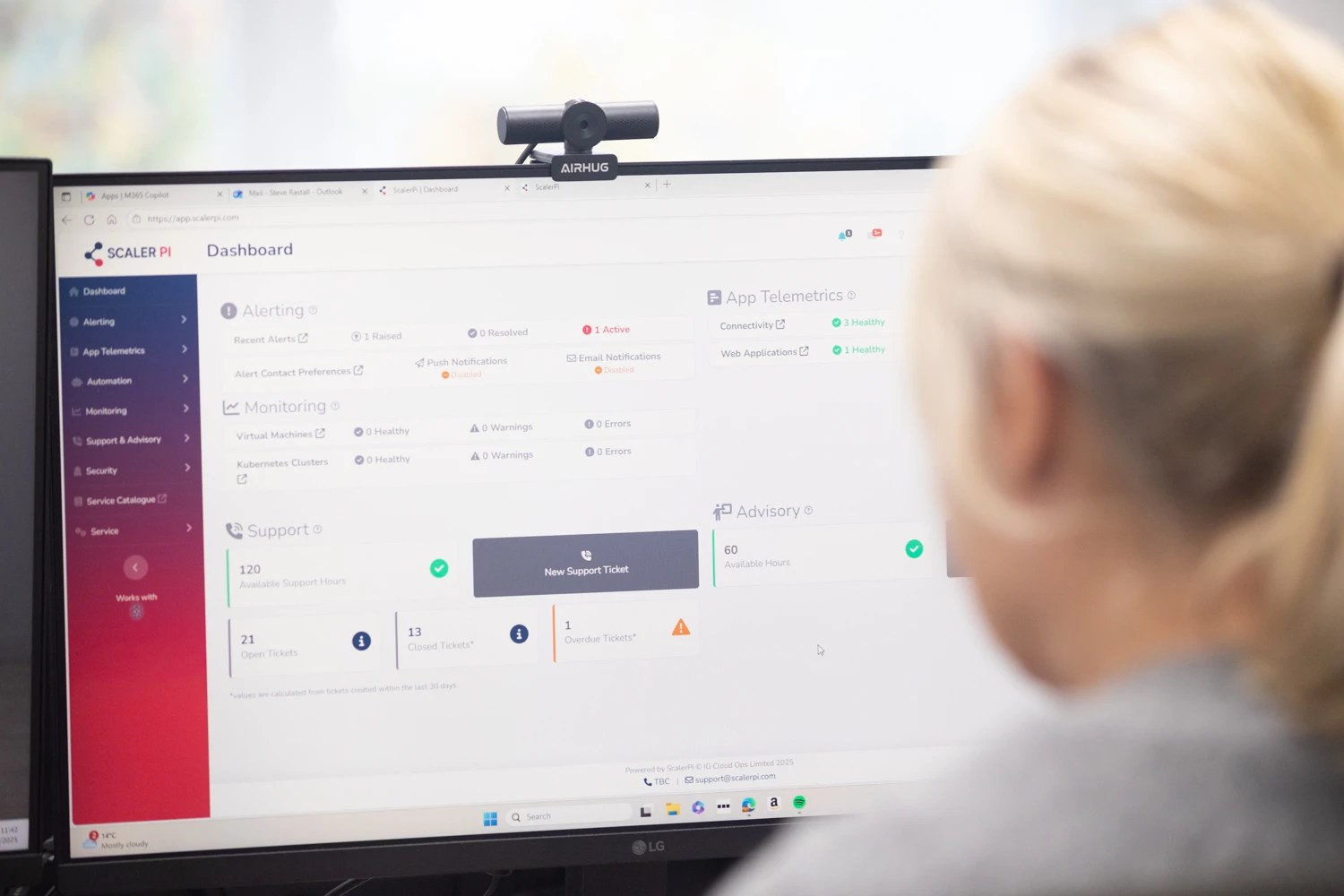
Organizations often begin their journey searching for Raspberry device management software free options to reduce upfront costs. While free software offers remote access and basic monitoring but don’t offer the level of management required for enterprise-grade deployments. As networks of devices grow enterprises require more than just dashboards and manual controls. They require an integrated system that can handle provisioning and security hardening as well as the monitoring of performance and compliance reports.
A fully managed infrastructure removes the burden of running a day-to-day operation on internal teams. Businesses can concentrate on advancing their business and growing instead of tackling issues, patching or responding to interruptions. Every device is set up for deployment, maintenance, and configuration under a unified framework that guarantees consistency and reliability. This operational model does not only cut down on downtime, it also eliminates security vulnerabilities which can be caused by faulty updates or incorrect configurations.
A Partnership Model Designed to Scale
Successful IoT ecosystems don’t exist in an isolated manner. They require an intelligent architecture and constant optimization. A Raspberry Pi partner with experience in design will make sure that the hardware, software and system architecture are all set up to meet the operational objectives. This type of partnership instead of focusing on deployments as only a single-time event, provides an infrastructure that can be scalable to meet the business needs.
Each managed service can be tailored to a client’s requirements, which includes hardware integration as well as platform management and technical assistance within the same operating agreement. This structure is unified, which makes communication simpler and eliminates fragmentation between suppliers. The company benefits from named technical contacts, service level agreements and transparent reporting to keep all stakeholders informed, without adding administrative complexity.
To maintain uniformity of devices throughout the world, procedures for provisioning and configuring are standardised. Each unit is assemble to be tested, and then recorded prior to deployment in order to guarantee continuity from the start of. Continuous telemetry gives real-time data on device health and app stability. Engineers can spot any issues and stop system failures prior to them escalating.
Operational Excellence Through Continual Management
Reliable IoT environments rely on proactive maintenance rather than reactive troubleshooting. Updates and patches are managed to ensure that applications and operating systems remain secure and stable. To avoid interruptions and maintain the availability of your system, updates are rigorously checked prior to deployment.
The operational workflow also incorporates regulations for compliance. Reporting mechanisms are aligned to regulatory expectations. This framework eases the burden of audits as well as improves security measures.
Managed services can be even more beneficial when they feature lifecycle optimization and performance optimization. Regular system inspections identify possibilities for hardware upgrades energy efficiency enhancements, and the balancing of workloads. Infrastructure is not merely an emergency option, but a strategic one that grows with organizational development.
Cloud and Edge Technologies can be seamlessly integrated
Modern deployments often require an incredibly tight integration between the devices at the edge and cloud ecosystems. Expert Azure IoT consultant helps companies securely connect their devices to cloud-based platforms, while automating workflows for analytics and improving automation capabilities. The synergy between physical infrastructure and cloud-based intelligence allows better decision-making and greater operational flexibility.
Professional IoT consultancy also ensures monitoring platforms, data governance frameworks, and security protocols are in sync. Engineers monitor system performance round 24/7, addressing anomalies before they disrupt operations. Options for support that can be scalable enable companies to expand their business knowing they have the technical skills required as the number of devices they have.
Simply put, the purpose is to make sophisticated edge technology feel natural. Scaler PI helps make it much easier for the use of edge technology by blending practical expertise in hardware and the latest cloud technology. This creates a smooth and unified environment in which devices interact seamlessly with the data and processes.
Manage Device Infrastructure with greater efficiency
Managed Services provide an accountability single point for design, monitoring and support. Budgeting is streamlined with predictable pricing models. surprise, while constant monitoring and automated updates minimize the risk of operating. Companies can be confident that their infrastructure is always up to date and functioning at optimum levels.
As IoT ecosystems expand and expand, the need for stable operational frameworks is becoming crucial. A managed service can ensure that the networks of devices are secure and efficient, as well as future-proof. This allows companies to be innovative, without being hindered by the management of infrastructure.