A decrepit wastewater liftstation is located in a municipal. The pumps are approaching the end of their useful life, the controls need modernization, and the access hatch has become damaged. The concrete wet well is robust and solid.
Should the entire station be demolished and rebuilt? Not necessarily. The better question is whether the current infrastructure will be able to accommodate a modern pumping system without compromising availability, reliability and capacity.
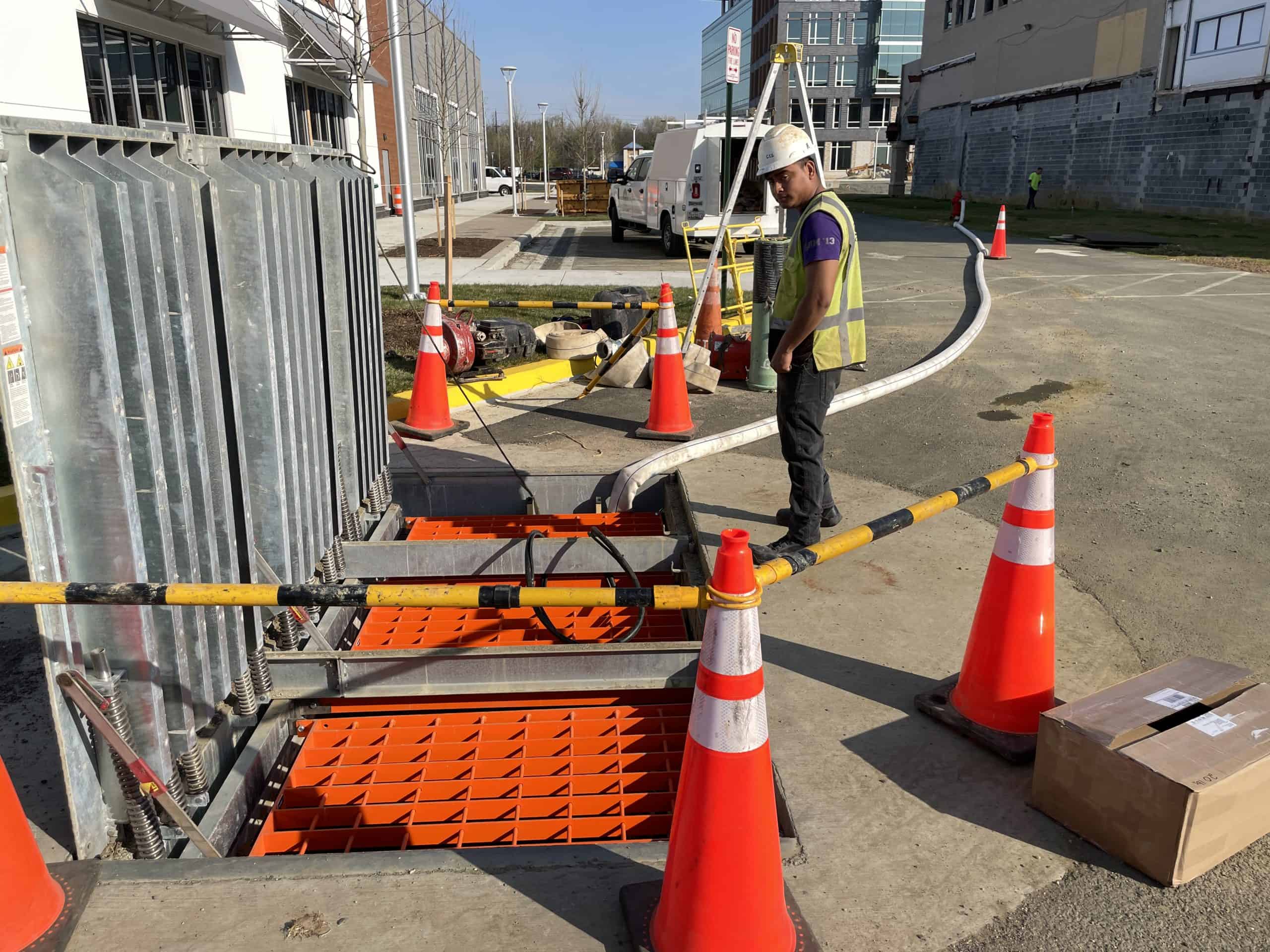
Image credit: romtecutilities.com
Retrofitting a pumping station that is precisely designed can help save infrastructure, and can also help in replacing components no longer meeting functional requirements.
Start with the Structures Nobody Will Want to Replace
Wet wells are typically the most expensive and difficult component to replace, as they are constructed underground and attached to existing pipes, and essential to the collection of wastewater.
Retaining a concrete structure that is functional can make it easier to dig and build.
The degradation of the area surrounding the access hatch may make this difficult. Romtec Utilities identifies wet well hatch replacement as an usual retrofit requirement. It is possible to be more durable to remove the top slab instead of installing a brand new hatch to a deteriorated concrete. This will allow for greater access to the structure as well as prolong its utility, without having to rebuild the entire wet well.
A Powerful Pump Changes the Engineering
Suppose a residential neighborhood has seen a significant increase in population since the original lift station was installed. It could be that the current pumps are not capable of handling the increased flows of wastewater.
The upgrading of a pumping unit could be accompanied by higher horsepower equipment, however it is not possible to do this without taking into consideration the system around it. Higher horsepower pumps might need adjustments to elbows for discharge, pipes valves, electrical controllers as well as other components.
Engineers must also think about the hydraulic needs of the system. This is a consideration for flow as well as the total dynamic pressure. The installation of a bigger pump prior to assessing the requirements can cause more problems than it resolves. Planning for future expansions in the designing the initial design can make it much easier to add more capacity later.
Make sure that the water for waste is moving during construction
A wastewater pump station retrofit creates a challenge that regular project for replacement of equipment may not encounter: the facility might require to be operational during construction.
It is still a problem for wastewater to enter the system even when contractors are in the process of working. In the case of a project it is possible that temporary bypass pumps will be necessary to keep operation while the existing equipment is removed, and new components are put in place.
Romtec Utilities was able to take on this challenging task at the Federal Law Enforcement Training Center, Brunswick, Georgia.
The project required the replacement of two aging wastewater lift stations while maintaining operations at the facility. Site-specific engineering and packaged replacement systems and bypass pumping techniques helped make room for the station’s footprints as well as operational demands. This illustrates why it is important to consider the construction sequence before constructing.
If replacing is the only option
Not all stations are suited for rehabilitation. A severely deteriorated wet well, inadequate structural capacity, or major changes in hydraulic requirements may make sewer lift station replacement more appropriate than modifying the existing installation.
When making a choice, it is essential to think about the structural integrity of the structure, its compatibility with equipment, accessibility to construction sites, service continuity as well as long-term requirements. Romtec Utilities begins retrofits and replacements by identifying elements to be left in place and the ones that require replacement.
The company also develops engineering solutions tailored to the location, initial designs as well as budget estimations. Prefabricated parts are a great way to make installation easier and less time-consuming, as well as reduce the amount of construction work that is required on site.
The project isn’t finished when the pumps kick in
Modern lift stations need to be operated as a system in one. Before returning the lift station to service, tests of startup and commissioning will help ensure that the pumps, controls and other equipment are operating in accordance with the an approved design.
Operator training, as well as maintenance and operation manuals are equally crucial. Maintenance workers must be aware of the new equipment, operating procedure, and other documentation before they take over responsibility for the station.
Retrofitting successfully preserves the infrastructure that is still valuable while addressing the limitations that led to modernization being necessary.
Municipalities and owners of facilities must look beyond the immediate repairs. The most effective project is one that integrates the new equipment with existing structures, keeps up with essential service during construction, and also prepares the pumping system to last for years to come of operation.