Imagine the apps you have on your phone. They are open every day, without thinking about the routine loops. Your thumb is aware of which direction to take. In the background of that simple natural, second-nature interface lies an enormous amount of human psychology and incredibly technical engineering. The modern user has an absolute policy against digital friction; if a mobile screen stutters for any fraction of a second or takes too long to load on weak cellular information, or is unable to deliver a notification, it gets deleted in a matter of minutes. The stakes are extremely high for funded founders, and teams that concentrate on growth. The launch of a digital product that is successful requires more than a sleek, polished surface or an attractive landing page. It demands a highly strategic collaboration with a top mobile app development company that focuses on human retention from the very first week of production.
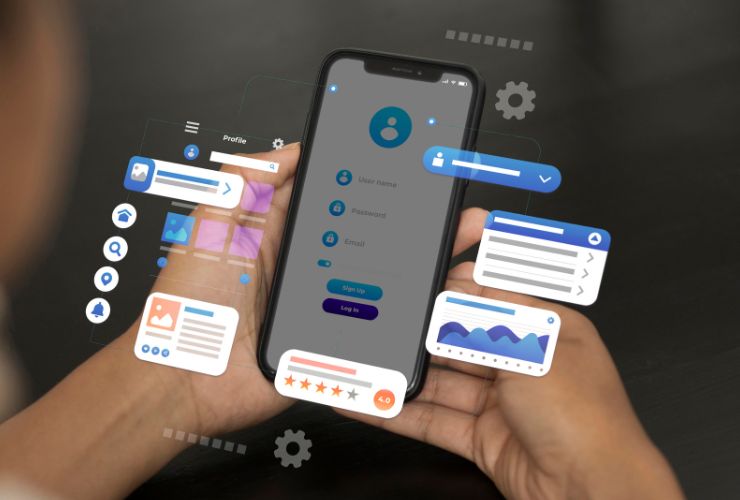
Navigating the Constantly Moving Ecosystem Rules
Mobile engineering is a lot more challenging than web development in general because it’s basically working with shifting sand. Apple introduces an operating system that is updated every in the fall. It introduces tighter privacy policies, retires legacy code structures and changes the review process for apps. Google is able to set its own timeline. It is constantly changing how notifications function and how background processes impact phone battery. The product you are developing could be damaged when your team isn’t focussed on the ever-changing guidelines. This can lead to unsatisfactory reviews and faulty features. This is why it is imperative that businesses must hire mobile app developers that view their job as a continuous cycle rather than an coding sprint. It is a continual process of release engineering and ensuring that the automated pipelines for shipping remain functional and secure during every single operating system shift.
The technical crossroads of native Experiences
When mapmaking out a new mobile roadmap, designers always come to a crucial structural crossroads: determining how code interacts with physical hardware. Choosing the right iOS apps development services offers teams direct, uncompromised access to Apple’s most current native frameworks, which allow for butter-smooth animations and deep connections to specific features such as HealthKit or biometric security. On the other hand of the spectrum investing in specific Android app development services ensures your app is built to accommodate the vast array of screens and processing capabilities offered by the global device market. Native architectures are the best option for businesses that depend on a large amount of devices for access. This includes, for instance, connecting with Bluetooth accessories with very low latency, monitoring precise locations in real-time or offering frictionless checkout flows by making use of native billing.
Cross-Platform Engineering accelerates production timelines
For many organizations that are growing rapidly financial constraints and competitive pressures make it difficult to launch apps across two separate operating systems simultaneously can put an enormous strain on resources. Choosing an elite cross-platform app development strategy resolves this dilemma by allowing a unified development team to build, test, and maintain a single codebase that runs beautifully on both platforms. This hybrid approach slashes the traditional timeframe for launching by months, allowing companies to collect real-time feedback from users at just a fraction of the cost. If they select a specialist Flutter app development company, companies can create highly stylized, pixel-perfect interfaces that maintain absolute visual consistency across different devices. The cross-platform platform solution, supported with robust background data syncing and automated testing delivers an ideal balance between speedy market entry and efficient execution.
Inspiring long-term sustainable user engagement
At the end of the day, success of an app’s mobile launch will be judged by the long-term, sustainable usage patterns, not only temporary growth in downloads. The most efficient mobile platform integrates key behavioral triggers into the tech stack to ensure that onboarding flows provide benefits within a matter of minutes and local data is cached smoothly in the event of an unexpected dropout from cellular and notifications systems are in line with user focus. It doesn’t matter if your team wants to create an agile and viable product that can prove your market suitability or you are implementing a huge enterprise system requiring strict data compliance and data compliance, the fundamental goal remains the same. Digital Heroes can help you develop a digital asset that is resilient, that drives the growth of your business and stays in the hands of users for a long time.